
Safety Etiquette in Using a Portable Generator
The arrival of severe weather or unexpected grid failures often prompts homeowners to seek immediate power solutions to maintain comfort and security. Among the most common choices is the portable generator, a versatile tool capable of keeping essential appliances running when the lights go out. However, the convenience of mobile power comes with significant responsibilities regarding operation and placement. Unlike a permanently installed local whole house generator, which is integrated into the home's electrical infrastructure with built-in safeguards, a portable unit requires active and vigilant management by the user to prevent hazardous situations.
Understanding the fundamental etiquette of power generation is not merely about mechanical proficiency; it is about respecting the invisible dangers of carbon monoxide, electrical backfeeding, and fire hazards. While a local whole house generator typically operates with minimal human intervention, portable units demand a strict adherence to safety protocols to ensure that the quest for light does not result in a tragic accident. By treating the generator as a powerful industrial tool rather than a simple household appliance, users can navigate outages with confidence and security.
Positioning the Unit Correctly
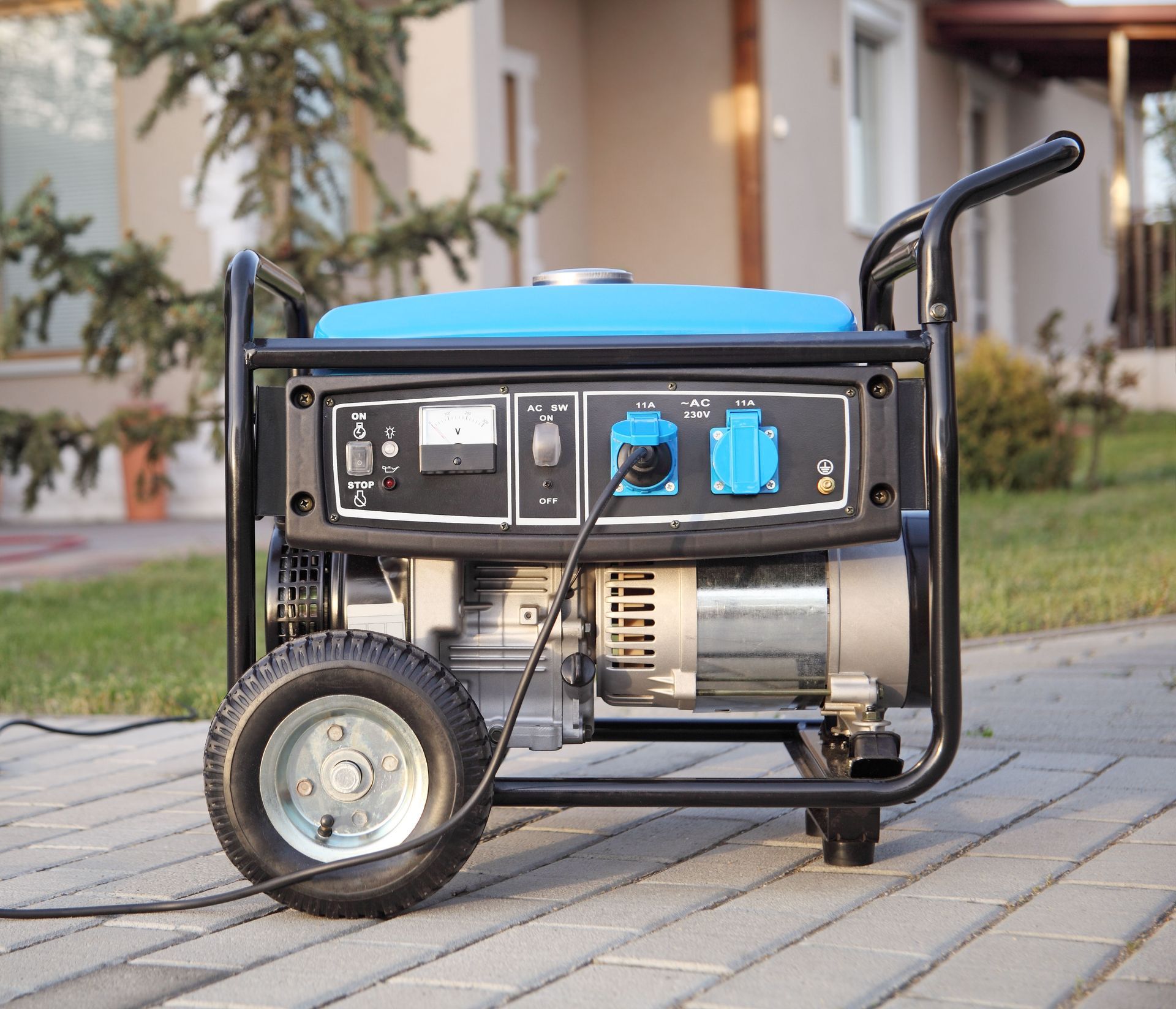
Proper placement is the most critical factor in preventing carbon monoxide poisoning, a colorless and odorless gas that can become lethal within moments. A portable unit must never be operated inside a garage, basement, or any enclosed area, even if windows are left open for airflow. The exhaust must be directed away from the dwelling to ensure that toxic fumes do not seep through vents or door seals. According to OSHA, it's important to ensure a generator has three to four feet of clear space on all sides and above it to create adequate ventilation.
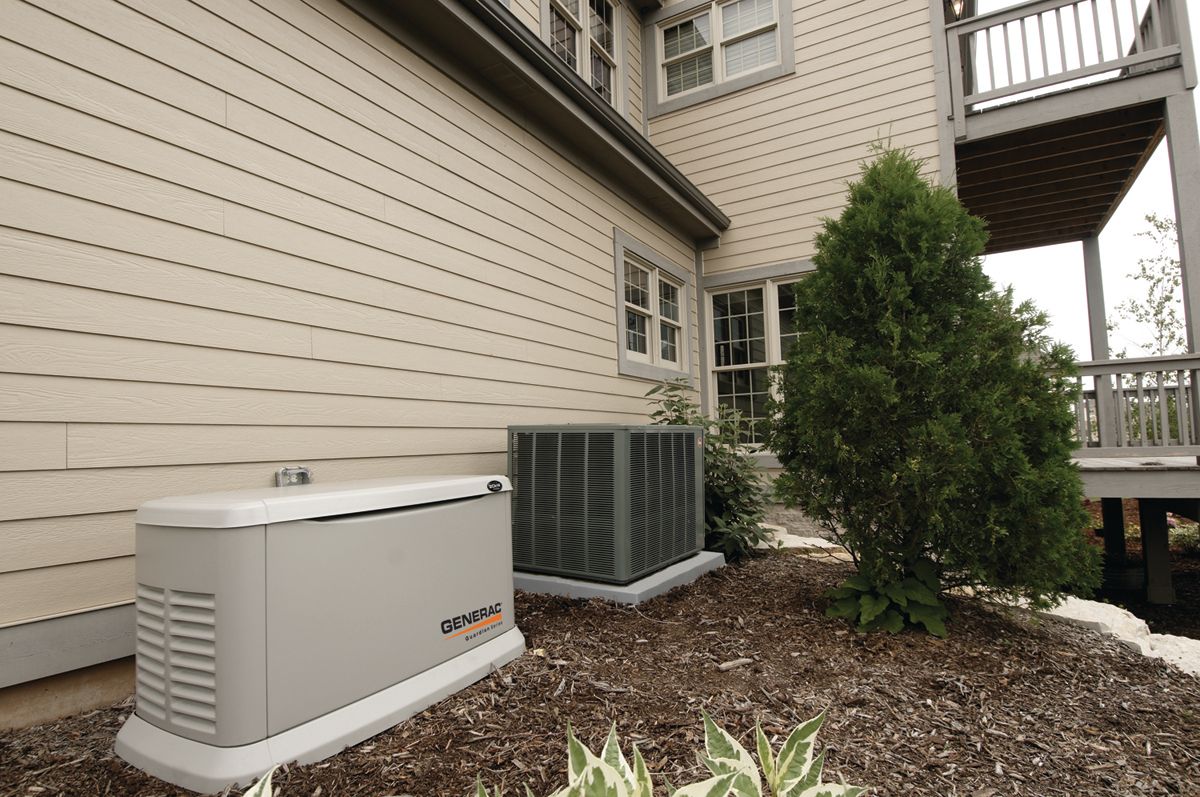
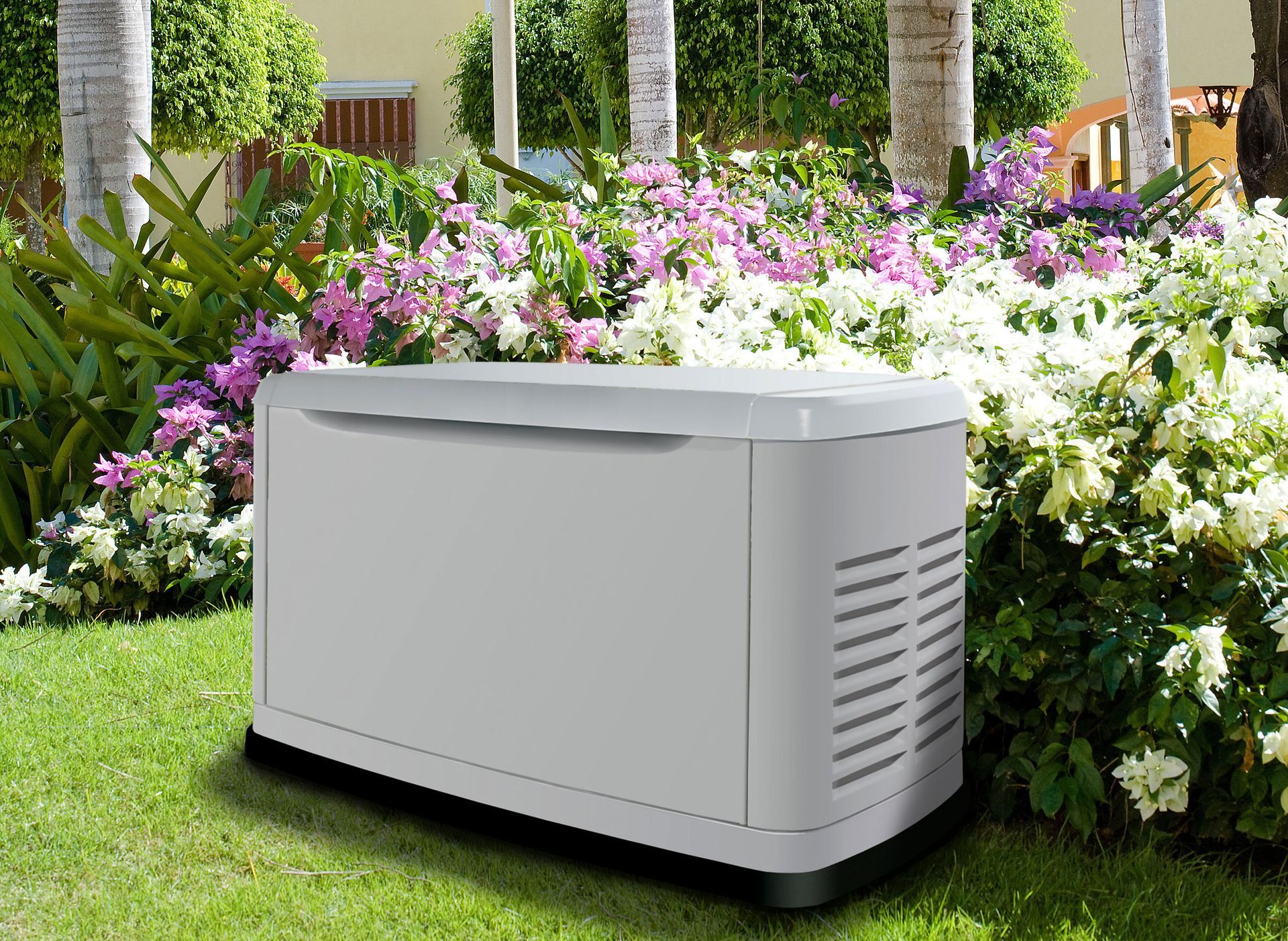
This spatial requirement prevents the buildup of heat and allows the engine to breathe, reducing the risk of mechanical failure or fire. While those who have invested in a local whole house generator benefit from a fixed, outdoor installation designed for optimal airflow, portable users must manually verify their surroundings every time the engine is started. Keeping the unit on a flat, dry surface away from low-lying areas where water might collect is equally important for maintaining a safe operational perimeter.
Managing Fuel Safely
The volatile nature of gasoline and diesel requires a disciplined approach to storage and refueling. It is vital to allow the engine to cool completely before attempting to add more fuel, as splashing liquid on a hot manifold can trigger an immediate flash fire. Storing fuel in approved containers far away from the running unit and the living quarters prevents accidental ignition from sparks or heat.
Because fuel can degrade over time, using stabilizers or rotating the supply ensures that the engine runs efficiently without stalling. While a local whole house generator often draws from a continuous natural gas or large propane source, the manual handling required for portable units introduces human error into the equation. Maintaining a clean refueling area, free of dry leaves or flammable debris, further strengthens the safety barrier between the power source and the home.
Connecting Loads Properly
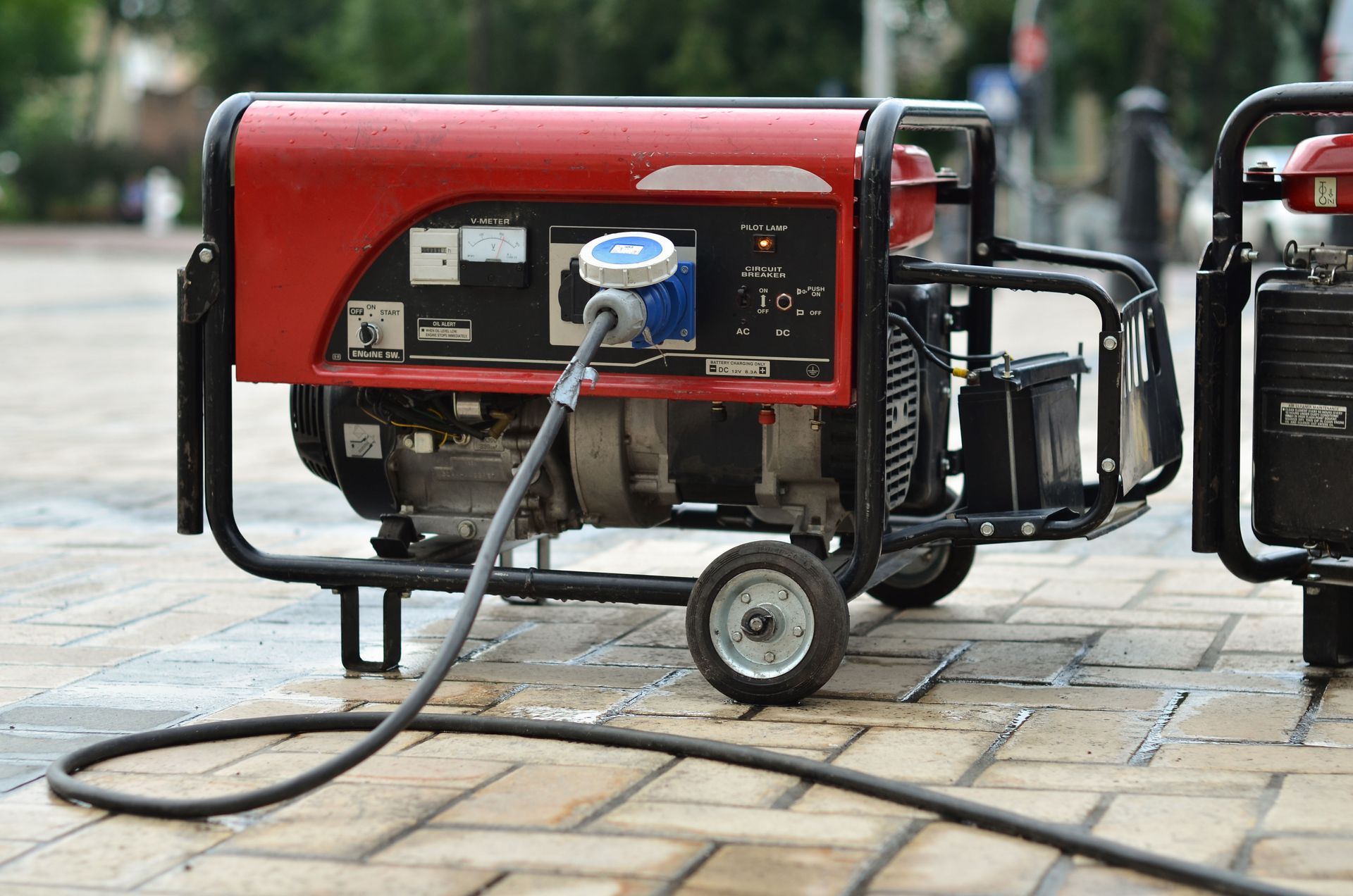
Overloading a generator can lead to overheating and permanent damage to both the machine and your sensitive electronics. It is best to prioritize essential appliances, such as refrigeration and basic lighting, rather than attempting to power the entire residence at once. Using heavy-duty, outdoor-rated extension cords that are free of frays or exposed wiring is the only acceptable method for transferring power from a portable unit to your devices.
One must never attempt to "backfeed" a home by plugging the generator into a wall outlet, as this sends electricity back into the utility lines, posing a deadly threat to repair crews working to restore the grid. Those seeking a more seamless and safer integration often transition to a local whole house generator to avoid the clutter of cords and the risks of manual switching. For the portable user, a clear understanding of wattage requirements and the use of a dedicated transfer switch are the hallmarks of responsible operation.
Protecting Against Moisture
Electricity and water are a lethal combination, making weather protection a top priority during rainy or snowy conditions. Operating a generator in the open rain can lead to electrocution or short circuits that ruin the internal components of the engine. Specialized generator covers or open-sided canopies can be used to keep the unit dry while still allowing for the necessary exhaust ventilation.
Ensuring that your hands are dry before touching the control panel and keeping the unit out of standing water are basic yet lifesaving steps. While the robust housing of a local whole house generator is engineered to withstand the elements without additional intervention, portable units require the user to be the primary defender against moisture. This vigilance extends to the storage of the unit after use, ensuring it is kept in a dry, ventilated space once it has cooled down.
Maintaining Mechanical Integrity
A generator that is neglected during the off-season is more likely to fail or become a hazard during an actual emergency. Regular oil changes, spark plug inspections, and air filter cleanings are necessary to keep the engine running at peak efficiency. Starting the unit periodically during the year ensures that the internal components remain lubricated and that the battery remains charged.
Documenting these maintenance sessions helps track the lifespan of the equipment and identifies potential issues before they result in a dangerous malfunction. Unlike the automated self-testing cycles found in a local whole house generator, the responsibility for the health of a portable unit rests entirely on the owner's shoulders. A well-maintained machine is a predictable machine, and predictability is the foundation of a safe environment during a crisis.
Respecting Sound Boundaries
The noise produced by a portable engine can be a significant disturbance to neighbors and can mask the sound of emergency sirens or other safety alerts. Using the unit only when necessary and respecting local noise ordinances demonstrates a level of community etiquette that is often overlooked. Positioning the exhaust away from neighboring windows and using sound-dampening mats can help reduce the acoustic impact on the immediate area.
While a local whole house generator is often equipped with advanced muffling technology to keep decibel levels low, portable units are inherently louder and require more consideration. Being mindful of how your power needs affect those living around you fosters a cooperative spirit during challenging times. Clear communication with neighbors about your generator use can also ensure that everyone is aware of the safety boundaries you have established for your equipment.
Adhering to strict safety etiquette transforms a portable generator from a potential hazard into a reliable lifeline. By focusing on proper placement, fuel management, and electrical boundaries, property owners can protect their families and their investments. While the manual requirements of these units are high, the discipline of safe operation ensures that the focus remains on recovery and comfort.
At Florida Sky Electric Inc, we believe that every home deserves a safe and reliable power strategy, and we are dedicated to helping our community achieve the highest standards of electrical security through professional guidance and robust power solutions. Our team prioritizes your peace of mind by delivering meticulous installations and comprehensive maintenance plans tailored to your specific energy requirements. Whether you are preparing for seasonal storms or seeking long-term resilience, we provide the technical expertise and unwavering support necessary to keep your household powered and protected throughout every unexpected outage.


Share On: