Safety and Your Portable Generator: What You Need to Know

February 19, 2026

Portable generators are essential for providing temporary power during outages, outdoor events, and job sites without electricity. While they are convenient, they come with safety risks if used improperly, including electrical shocks, fire, and carbon monoxide poisoning. Understanding proper operation, maintenance, and safety precautions ensures your generator performs reliably while keeping everyone safe. Regular generator service is critical to maintain efficiency and reliability.


What Is a Portable Generator and Why It Matters

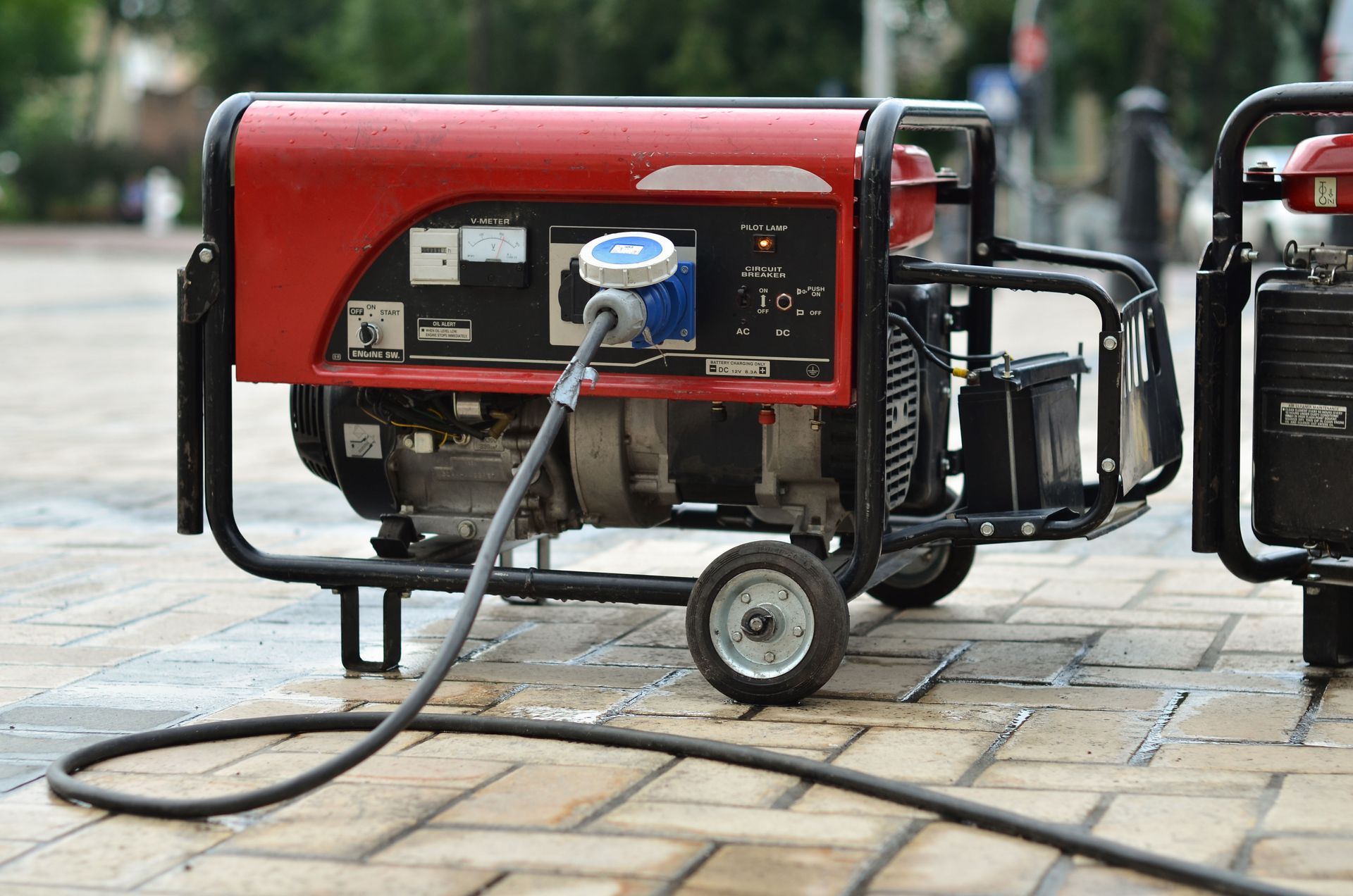
A portable generator converts fuel—commonly gasoline, diesel, or propane—into electrical power. Unlike permanently installed systems, portable generators must be manually positioned, fueled, and connected to devices or circuits. They are commonly used to power essential home appliances like refrigerators, lights, and medical equipment during outages, as well as tools and lighting at construction sites or outdoor events.


Although they are versatile, improper use can be dangerous. Fire hazards, electrical accidents, and carbon monoxide exposure are all potential risks if a generator is misused. Routine generator service helps ensure the unit is safe and ready to operate when you need it most.


Essential Safety Practices

Generators produce carbon monoxide (CO), a colorless, odorless gas that can be deadly if inhaled in enclosed areas. Always operate your generator outdoors in a well-ventilated location, at least 20 feet away from windows, doors, and vents. Never use it inside a home, garage, or tent, even if doors or windows are open.


According to OSHA, always plug electrical appliances directly into the generator using the manufacturer’s supplied cords or grounded (3-pronged) extension cords. This reduces the risk of electrical shock and protects appliances from power surges.


Refueling is another critical safety step. Always turn off the generator and allow it to cool before adding fuel to prevent fires. Only use fuel types recommended by the manufacturer and avoid spilling fuel on hot engine parts. Following these steps, along with regular generator service, keeps your unit safe and reliable.


Generators should never be connected directly to a home’s electrical wiring without a properly installed transfer switch. Backfeeding power into utility lines can harm utility workers and damage your electrical system. Professional generator service can help inspect connections and ensure compliance with electrical codes.


Safe and Efficient Generator Operation

Portable generators have a rated wattage output. Overloading the generator can cause fuel inefficiency, damage, or failure of connected appliances. Before operating, calculate the total wattage of all devices you plan to power to avoid overloading.


Prioritize essential devices like medical equipment, refrigerators, and communication devices. Non-essential devices should only be added if capacity allows. Alternating heavy-load appliances, such as power tools or air conditioners, with sensitive electronics like computers can reduce strain and prevent damage. Using surge protectors further safeguards electronics.


Weather conditions also affect generator use. Avoid operating in rain, snow, or flooding without proper protection. Use a cover or canopy that allows ventilation for exhaust and heat while keeping the generator dry. In cold weather, fuel stabilizers prevent gelling and ensure the engine starts reliably. Regular generator service helps ensure the generator operates safely in all conditions.


Maintenance and Professional Generator Service

Routine maintenance is essential to keep your generator operating safely and efficiently. Check fuel and oil levels before each use. Old or contaminated fuel can cause starting problems, while low or dirty oil can damage the engine. Change oil according to the manufacturer’s schedule.


Air filters should be cleaned or replaced regularly, as clogged filters reduce efficiency. Inspect spark plugs and batteries (for electric-start models) to ensure reliable operation. Running the generator under load occasionally prevents fuel degradation and helps identify potential issues.


Professional generator service is highly recommended. Technicians can inspect and repair components beyond basic maintenance, including fuel systems, electrical connections, and safety devices. A professional service visit can identify hidden issues, maintain peak performance, and extend the life of your generator. Scheduling annual service, or more often for critical applications, ensures your generator is ready when emergencies occur.


Long-Term Storage and Seasonal Considerations

If your generator will be stored for a long period, drain the fuel tank and carburetor to prevent buildup, clean the exterior, and store it in a dry, ventilated space. Covers can protect against dust and moisture. Preparing your generator for storage and having it serviced before and after storage helps maintain reliability and readiness.


High heat can cause fuel evaporation and engine stress, while cold can thicken fuel or reduce battery performance. Use fuel stabilizers, store fuel properly, and schedule generator service to keep the engine and electrical components in optimal condition.


Environmental and Legal Considerations

Generators produce emissions, especially gasoline and diesel models. Propane is a cleaner-burning option that reduces environmental impact. Proper maintenance, efficient operation, and professional generator service help minimize pollution.


Noise can also be a concern. Position your generator away from neighbors and consider quieter inverter models if allowed by local ordinances. Proper disposal of oil and filters at certified collection centers protects water and soil from contamination.


Understanding local regulations, including noise limits, emissions, and safety requirements, ensures legal compliance. Professional generator service often includes checking these aspects to maintain both safety and regulatory adherence.


Preparing for Emergencies

Emergency preparedness requires planning and practice. Create a backup power plan identifying essential appliances and their power requirements. Store fuel safely and rotate it regularly to maintain effectiveness.


Keep communication lines open during outages by charging phones and radios using the generator. Test CO detectors and smoke alarms to ensure they are operational before relying on a generator during emergencies.


Regular generator service and preventive inspections are key to ensuring your unit will start and operate safely during any outage or disaster.


Tips for Maximizing Generator Efficiency

To get the most out of your portable generator, efficiency matters just as much as safety. Operating the generator within its recommended capacity reduces fuel consumption, prevents unnecessary wear, and extends its lifespan. Avoid running at maximum load continuously; instead, power essential devices first and add secondary loads gradually.


Using energy-efficient appliances or lower-power settings whenever possible also helps conserve fuel and prevents engine strain. Monitoring load with a wattage meter can help you balance energy use effectively.


Proper storage and fuel management contribute to efficiency as well. Using fresh, stabilized fuel ensures the engine runs smoothly and avoids clogs or damage to the fuel system. Additionally, maintaining clean air filters, spark plugs, and oil levels through regular generator service keeps the unit operating at peak efficiency.


Planning your generator operation in advance — including alternating between heavy-load and sensitive devices, monitoring power usage, and adhering to maintenance schedules — ensures reliable, long-term performance while minimizing costs and hazards.


Portable generators are powerful tools for temporary electricity, but safety and maintenance cannot be overlooked. Proper setup, careful operation, and routine maintenance reduce risks and extend the generator’s lifespan. Alternating heavy and sensitive loads, operating outdoors, following OSHA electrical guidelines, and protecting the unit from weather all improve safety.


Professional generator service ensures peak performance, detects hidden issues, and maintains compliance with safety standards. If you want expert maintenance, inspection, and support, contact Florida Sky Electric Inc. Our team provides thorough generator service to keep your portable generator safe, reliable, and ready whenever you need it.
Safety and Your Portable Generator: What You Need to Know
October 24, 2025
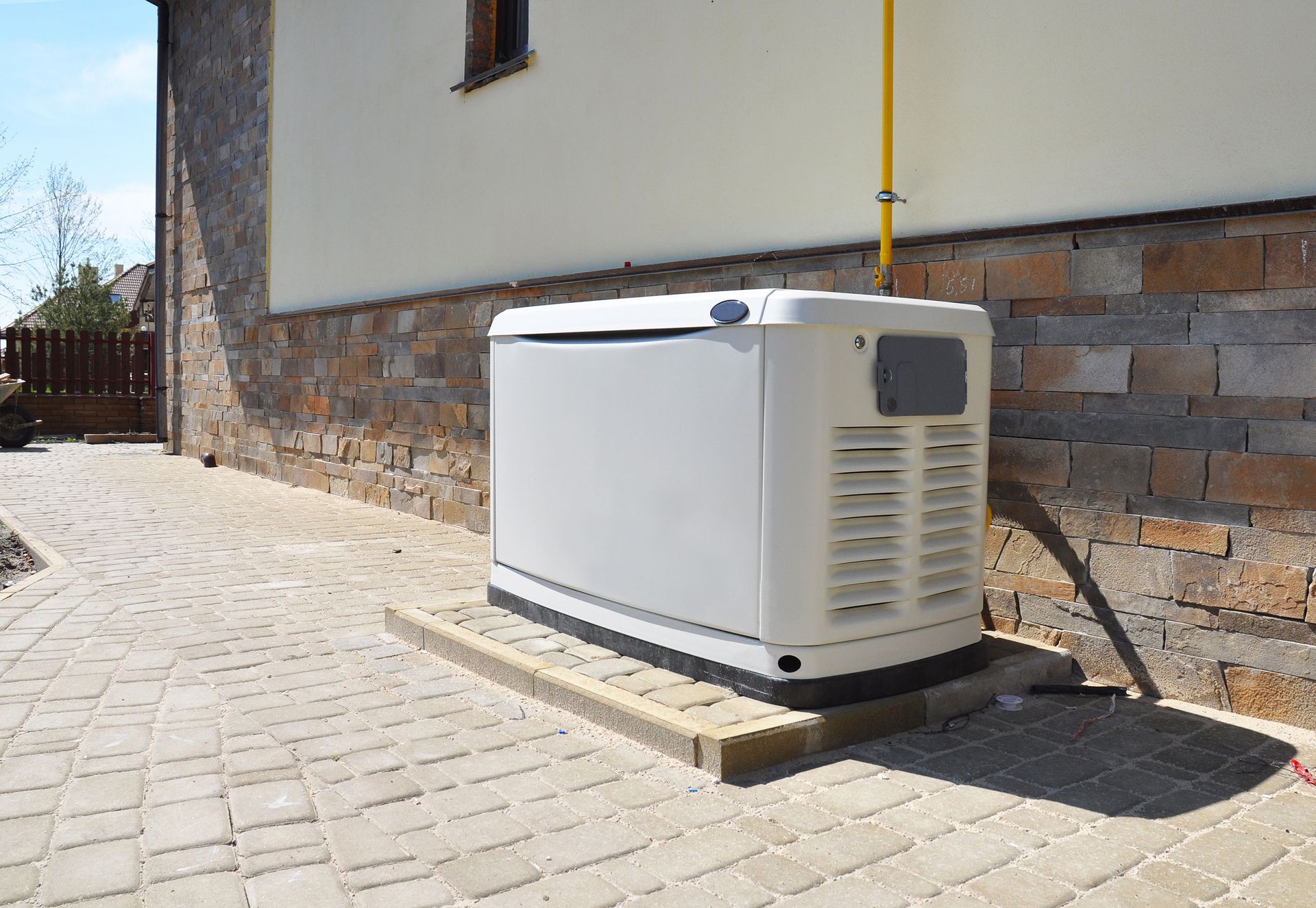
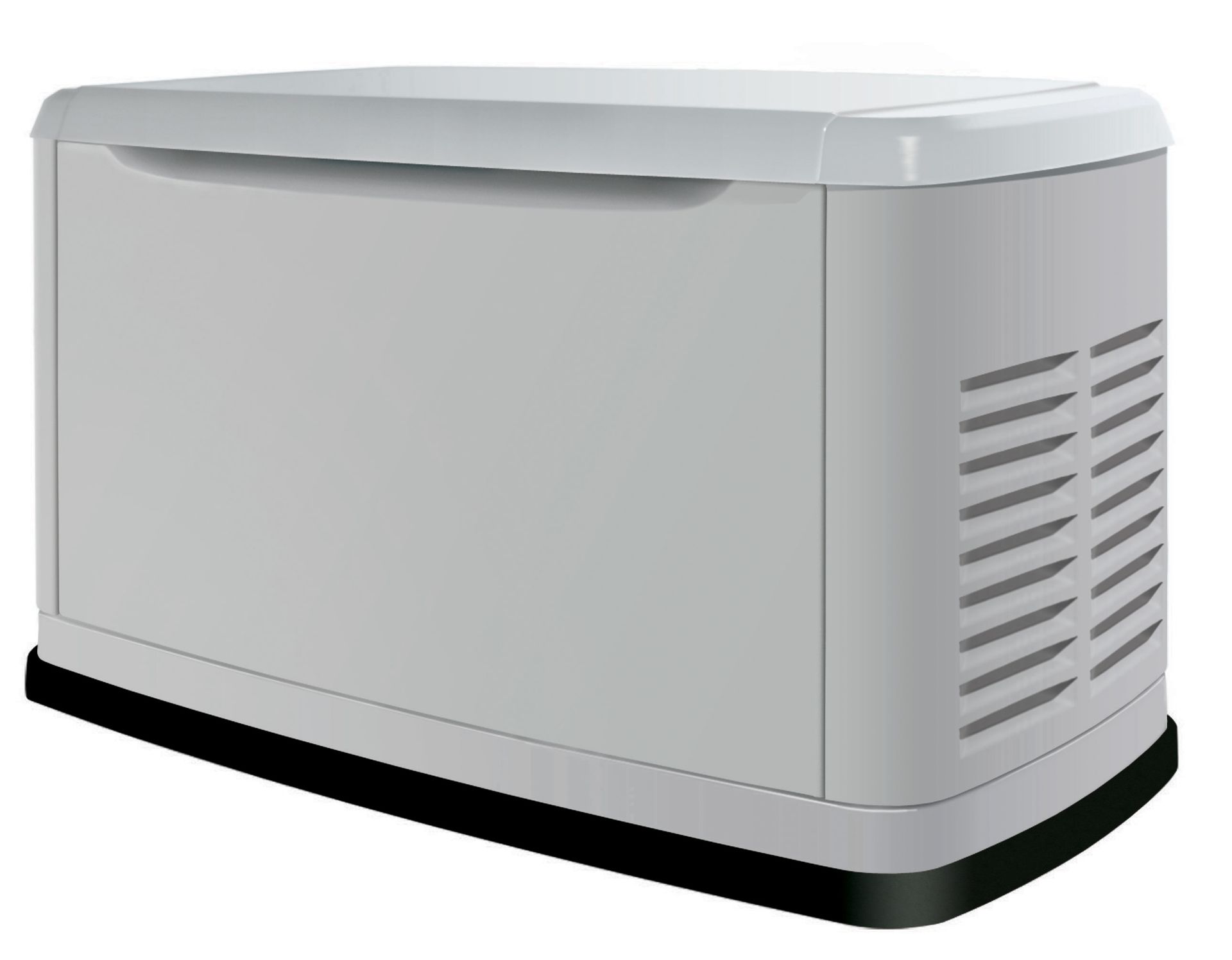
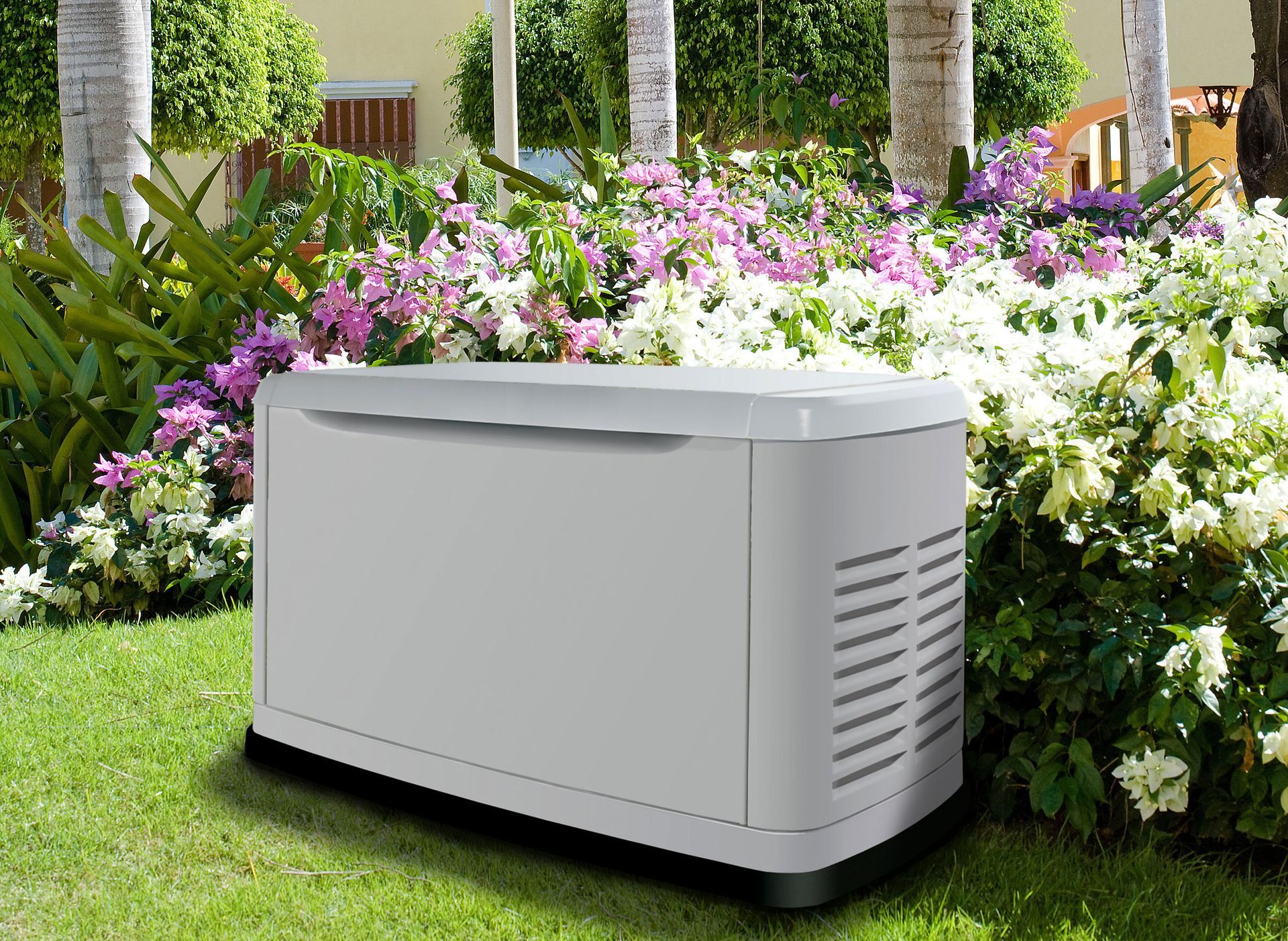
Power outages can disrupt daily life, leaving homes vulnerable and causing stress. From keeping refrigerators running to maintaining HVAC systems and powering medical devices, uninterrupted electricity is essential. Whole house generators provide a reliable solution, offering seamless backup power during emergencies. These systems automatically engage when utility power fails, ensuring comfort, safety, and convenience for homeowners. 1. Understanding Whole-house Generators Whole-house generators are permanent installations connected to a home's electrical system. Unlike portable generators, which require manual setup and can only power limited appliances, whole house generators automatically start during outages and supply power to the entire home. They're typically fueled by natural gas or propane, allowing extended operation during prolonged outages. According to This Old House, generally, a 20 kW generator is adequate to supply power to the majority of a home's electrical needs, from HVAC systems to refrigerators, lighting, and electronics. The main differences between whole-house and portable generators are capacity, automation, and convenience. Portable units are mobile, smaller, and suitable for short-term needs. Whole-house generators are stationary, integrated into your electrical panel, and use automatic transfer switches for seamless operation. They also tend to be quieter and more efficient, minimizing disruption and environmental impact. Whole-house generators come in diesel, natural gas, propane, and hybrid models. Diesel units are robust and long-lasting but require more maintenance. Natural gas units are convenient, with a steady municipal supply, while propane units are clean-burning and flexible. Hybrid generators combine multiple fuel options, providing adaptability and long-term reliability. Inverter-style units now offer quieter operation and cleaner electricity suitable for sensitive electronics. 2. Evaluating Your Power Needs Before choosing whole house generators, it's crucial to assess your home's energy requirements. Start by listing essential systems like HVAC, refrigeration, lighting, and communication devices. Then include secondary appliances, such as washing machines and dishwashers. Remember that some devices draw extra power when starting, such as air conditioners, so factor in startup wattage. Using these calculations ensures you select a generator with adequate capacity. Mapping out wattage needs prevents overloading and ensures all critical systems function smoothly during outages. Prioritize appliances that are essential for safety, comfort, and health. This includes HVAC systems, refrigerators, medical equipment, lighting, and security devices. Internet routers, phone chargers, and other communication tools can also be critical in emergencies. Categorizing devices as essential, secondary, or optional helps manage loads efficiently. Home size, appliance efficiency, geographic location, and seasonal climate variations influence power requirements. Larger families or older appliances may increase energy needs, while extreme weather can drive continuous HVAC usage. Planning for potential home expansions or additional devices ensures your generator remains sufficient for future demands. 3. Customizing and Future-proofing Your Generator Choosing the right generator size ensures reliable operation without overspending. A professional assessment of total and peak energy demands helps identify the optimal capacity. Oversized units are costly, while undersized units may fail during high-demand situations. Load management devices can help prioritize essential systems, allowing critical appliances to run uninterrupted while less essential devices cycle on and off efficiently. Working with licensed electricians or certified generator installers ensures safe and efficient integration into your home's electrical system. Professionals can recommend necessary auxiliary equipment, assist with permits, and guarantee code compliance. Their guidance ensures your generator operates smoothly and safely, while also helping homeowners avoid common installation mistakes and potential hazards. Future-proofing involves selecting a system that accommodates potential expansions, new appliances, or lifestyle changes. Choosing a slightly larger generator or a hybrid model allows scalability. Integrating smart technology, such as remote monitoring or adaptive load management, enhances long-term efficiency, provides detailed usage insights, and ensures your investment remains valuable for years to come. 4. Preparing and Installing Your Generator Site selection is essential for performance and safety. Generators should be placed on stable, level platforms with adequate ventilation, away from windows, doors, and vents to prevent exhaust hazards. Protective enclosures and raised platforms can help shield equipment from wind, rain, snow, and potential flooding. Noise-reducing measures may also be considered to minimize disruption. Additionally, ensuring proper clearance around the generator allows for easier maintenance access and reduces the risk of debris interfering with operation. Generator installations must comply with local building codes, zoning laws, noise ordinances, and environmental regulations. Securing the proper permits and scheduling inspections ensures legal compliance and safety. Working with experienced installers can simplify this process and help navigate varying municipal requirements. They can also advise on optimal placement relative to landscaping, driveways, and property lines, ensuring both functionality and aesthetic integration. Professional installation guarantees a safe, reliable system. Certified electricians or generator specialists can integrate transfer switches, configure load management, and provide guidance on long-term maintenance. Verify credentials, insurance, and customer reviews before selecting a provider. Clear communication about costs, timelines, and warranties ensures a smooth installation experience, while careful planning and professional oversight prevent common installation mistakes that can affect performance and safety. 5. Maintaining Your Whole-house Generator Regular maintenance keeps generators operational when needed. Key tasks include oil and filter changes, battery checks, fuel system inspections, and transfer switch testing. Seasonal maintenance, particularly before winter or hurricane season, ensures reliable performance during high-risk periods and can help identify potential issues before they lead to costly repairs. Many modern whole house generators feature remote monitoring. Homeowners can track operational status, fuel levels, and diagnostics via smartphones or online platforms. Real-time alerts allow quick intervention, reducing downtime and preventing minor issues from becoming major problems. Some systems also offer usage reports and maintenance reminders, helping homeowners stay proactive and organized. Advances in generator technology improve efficiency, noise control, and environmental impact. Upgrading components or retrofitting older units with smart features ensures compatibility with evolving energy systems. Staying informed about these advancements can increase longevity and performance, while also optimizing energy use and providing additional convenience for homeowners managing multiple devices. 6. Highlighting the Benefits of Whole-house Generators Whole-house generators offer safety, reliability, and convenience that portable alternatives can't match. They maintain critical systems during outages, ensuring HVAC operation, refrigeration, medical equipment functionality, and essential lighting. Families gain comfort and security, even during extended power failures. Automatic operation provides peace of mind, eliminating the need for manual setup. This seamless functionality is especially valuable in regions prone to storms, hurricanes, or grid instability. Additionally, professionally installed generators enhance property value, making homes more appealing to buyers who prioritize preparedness. Beyond safety and comfort, whole house generators help prevent secondary issues caused by outages. For instance, continuous power prevents frozen pipes, water damage from sump pump failures, and food spoilage, saving homeowners time and money. These systems can also integrate with smart home technologies, providing remote monitoring, adaptive load management, and notifications of any performance issues. Whole-house generators protect families, preserve homes, and ensure uninterrupted power during emergencies. Their combination of safety, convenience, and long-term value makes them a smart investment for any homeowner seeking reliability and peace of mind. Whole-house generators are essential for homeowners seeking uninterrupted power and peace of mind. By evaluating your home's energy needs, choosing the right system, and working with certified professionals, you can ensure reliable operation during any outage. These systems provide safety, convenience, and long-term property value, making them a strategic investment. At Florida Sky Electric Inc, we specialize in the installation, maintenance, and service of whole house generators . Our expert team helps homeowners select the right capacity, manage permits, and maintain optimal performance. Protect your home and family by investing in a professional whole-house generator today. Contact us to get started and stay powered, no matter what.
whole-house generator
November 22, 2024
Are you considering buying a whole-house generator? Check out our blog for three reasons you should consider buying one.